Abstract
Background: Functional constipation impairs gut health and quality of life. Okra (Abelmoschus esculentus), traditionally used for treating gastrointestinal complaints, is rich in soluble dietary fiber and mucilaginous polysaccharides thought to increase stool water retention, soften feces, and promote luminal bulk, thereby facilitating colonic transit. Preclinical studies link okra mucilage to gut barrier support and favorable shifts in gut microbiota composition. The eLAXTM Probiotic-Botanical Supplement (eLAX) combines okra extract with Lactobacillus casei probiotics. We evaluated its efficacy and safety in a single-center, open-label, self-controlled study and report the complete 12-week dataset. Methods: Fifty-one adults meeting Rome IV criteria for functional constipation were enrolled at Xiangya Hospital; 49 completed the study and were analyzed. Participants received descending doses of eLAX over 10 weeks with intervening washouts (Weeks 1-2: 4 tablets/day; Week 3 washout; Weeks 4-6: 3/day; Week 7 washout; Weeks 8-10: 2/day), then 2 weeks of observation without product. The primary endpoint was the responder rate (increase in spontaneous bowel movements [SBMs] per 24 h versus baseline) at Weeks 2, 6, 10, and 12. Exploratory endpoints included gut microbiota, PAC-SYM, PAC-QOL-12, bowel diaries (frequency, straining, Bristol Stool Scale [BSS], abdominal pain), and assisted-defecation use. Safety included laboratory tests and colonoscopy in a subset. Results: Responder rates (N=49) were 87.8%, 61.2%, 55.1%, and 42.9% at Weeks 2, 6, 10, and 12. Mean SBM frequency rose from 0.51/day at baseline to 1.88, 1.35, and 1.12/day at Weeks 2, 6, and 10 (all p<0.0001), remaining above baseline at Week 12 (0.82/day, p=0.0086). Mean time to first bowel movement was 5.88±4.12 h (61.2% within half a day). BSS shifted from types 1-2 toward types 3-7 after 10 weeks (mean +2 grades); 69.3% retained ideal types 3-4 at Week 12. Straining resolved by Week 10; incomplete evacuation and abdominal pain declined. PAC-SYM (0-30) fell from 15.96±3.33 to 1.00±1.98 at Week 10 (−93.73%, p<0.0001) and remained improved at Week 12 (−78.64%). PAC-QOL-12 improved by 88.76% at Week 10 (p<0.0001). Microbiota diversity rose 9.65% (p=0.0091) and the Bacteroidetes/Firmicutes ratio rose 162.57% (p<0.0001) at Week 10. No product-related adverse events occurred; colonoscopy (n=10) showed no melanosis coli. Conclusion: Over 12 weeks, eLAX was associated with significant improvements in bowel frequency, stool consistency, symptoms, quality of life, and gut microbiota, with a favorable safety profile. Benefits were most durable in participants without baseline spontaneous defecation; milder cases may need longer low-dose maintenance after tapering.
Keywords
ELAXTM Probiotic-Botanical Supplement, Functional Constipation, Gut Microbiota, Okra (Abelmoschus Esculentus), Probiotics, Bristol Stool Scale, Bowel Movement Frequency, Quality of Life
1. Introduction
Chronic constipation is one of the most prevalent functional gastrointestinal disorders worldwide, with pooled global prevalence estimates ranging from approximately 10% to 15% of the adult population
| [1] | Barberio, B., et al., Global prevalence of functional constipation according to the Rome criteria: a systematic review and meta-analysis. Lancet Gastroenterol Hepatol, 2021. 6(8): p. 638-648. https://doi.org/10.1016/S2468-1253(21)00111-4 |
[1]
. According to the Rome IV criteria, it is characterized by infrequent bowel movements, hard or lumpy stools, excessive straining, a sensation of incomplete evacuation, and the need for manual maneuvers, in the absence of secondary organic causes
. Although rarely life-threatening, constipation imposes a substantial burden on quality of life
| [3] | Tomita, T., et al., Impact of chronic constipation on health-related quality of life and work productivity in Japan. Journal of Gastroenterology and Hepatology, 2021. 36(6): p. 1529-1537. https://doi.org/10.1111/jgh.15295 |
| [4] | Brochard, C., et al., Quality of life in 1870 patients with constipation and/or fecal incontinence: Constipation should not be underestimated. Clinics and Research in Hepatology and Gastroenterology, 2019. 43(6): p. 682-687.
https://doi.org/10.1016/j.clinre.2019.02.011 |
[3, 4]
, work productivity
| [5] | Ota, T., et al., Impact of chronic constipation symptoms on work productivity and daily activity: A large-scale internet survey. JGH Open, 2024. 8(11): p. e70042. https://doi.org/10.1002/jgh3.70042 |
[5]
, and healthcare resource utilization
, and is associated with increased anxiety
| [7] | Huang, Y., et al., The association between constipation and anxiety: a cross-sectional study and Mendelian randomization analysis. Frontiers in Psychiatry, 2025. Volume 16 - 2025.
https://doi.org/10.3389/fpsyt.2025.1543692 |
[7]
, abdominal discomfort, and reduced overall well-being. Its prevalence is disproportionately higher among women, elder adults, and individuals with sedentary lifestyles or low dietary fiber intake
.
Current management strategies include lifestyle and dietary modification, osmotic and stimulant laxatives, prokinetic agents, and secretagogues
| [10] | Rao, S. S. C., K. Rattanakovit, and T. Patcharatrakul, Diagnosis and management of chronic constipation in adults. Nature Reviews Gastroenterology & Hepatology, 2016. 13(5): p. 295-305.
https://doi.org/10.1038/nrgastro.2016.53 |
[10]
. While these interventions are often effective in the short term, their long-term use is limited by concerns regarding tolerability, dependence, diminishing efficacy, and adverse effects such as bloating, cramping, and electrolyte disturbances
. Consequently, there is growing interest in safe, well-tolerated, and physiologically based approaches that address the underlying mechanisms of constipation, including impaired stool bulk and hydration, altered gut motility, and disruption of the intestinal microbiota
.
Okra (
Abelmoschus esculentus) has attracted increasing attention as a functional food ingredient owing to its high content of soluble dietary fiber and viscous mucilaginous polysaccharides
| [15] | Dantas, T. L., F. C. Alonso Buriti, and E. R. Florentino, Okra (Abelmoschus esculentus L.) as a Potential Functional Food Source of Mucilage and Bioactive Compounds with Technological Applications and Health Benefits. Plants, 2021. 10(8): p. 1683. https://doi.org/10.3390/plants10081683 |
[15]
. These constituents are thought to increase stool water retention, soften fecal consistency, and promote luminal bulk, thereby facilitating colonic transit
| [16] | McRorie, J. W. and N. M. McKeown, Understanding the physics of functional fibers in the gastrointestinal tract: an evidence-based approach to resolving enduring misconceptions about insoluble and soluble fiber. Journal of the Academy of Nutrition and Dietetics, 2017. 117(2): p. 251-264.
https://doi.org/10.1016/j.jand.2016.09.021 |
| [17] | Chutkan, R., et al., Viscous versus nonviscous soluble fiber supplements: mechanisms and evidence for fiber-specific health benefits. Journal of the American Association of Nurse Practitioners, 2012. 24(8): p. 476-487.
https://doi.org/10.1111/j.1745-7599.2012.00758.x |
[16, 17]
. In addition, okra-derived polysaccharides may exert prebiotic effects, serving as a fermentable substrate that supports the growth of beneficial commensal bacteria
| [18] | Wu, D.-T., et al., Effects of molecular weight and degree of branching on microbial fermentation characteristics of okra pectic-polysaccharide and its selective impact on gut microbial composition. Food Hydrocolloids, 2022. 132: p. 107897.
https://doi.org/10.1016/j.foodhyd.2022.107897 |
[18]
. Complementing these properties,
Lactobacillus casei is a well-characterized probiotic species that has been reported to modulate the gut microbiota, enhance intestinal motility, and improve stool frequency and consistency in individuals with constipation
| [19] | He, Q., et al., Long-term administration of Lactobacillus casei Zhang stabilized gut microbiota of adults and reduced gut microbiota age index of older adults. Journal of Functional Foods, 2020. 64: p. 103682. https://doi.org/10.1016/j.jff.2019.103682 |
| [20] | Lai, H.-H., et al. Probiotic Lactobacillus casei: Effective for Managing Childhood Diarrhea by Altering Gut Microbiota and Attenuating Fecal Inflammatory Markers. Nutrients, 2019. 11, 1150 https://doi.org/10.3390/nu11051150 |
[19, 20]
. The proposed synbiotic combination of okra extract and
L. casei may therefore act through complementary and potentially synergistic mechanisms—combining the bulking and prebiotic actions of okra mucilage with the microbiota-modulating and motility-enhancing effects of probiotic supplementation.
Despite the biological plausibility of this approach, clinical evidence evaluating the combined use of okra extract and L. casei for the management of functional constipation remains limited. To address these gaps, we conducted a single-arm clinical study in adults with functional constipation diagnosed by the Rome IV criteria, in which participants received three descending doses of a supplement containing okra extract and L. casei over a 10-week intervention period. We evaluated the responder rate, defined as the proportion of participants with an increase in spontaneous bowel movements relative to baseline, as the primary endpoint, together with exploratory assessments of gut microbiota composition, constipation-related symptoms and quality of life (PAC-SYM and PAC-QOL), stool characteristics, and post-treatment product dependency, as well as comprehensive safety monitoring. Here we report the complete study findings across all protocol-specified visits (Weeks 2, 6, 10, and 12).
2. Materials and Methods
2.1. Study Design
This was a single-center, single-arm, open-label interventional study evaluating the efficacy and safety of a dietary supplement containing okra extract and L. casei in adults with functional constipation. The study comprised a screening period, a 10-week intervention period during which participants received three descending doses separated by washout weeks, and a subsequent 2-week observation period, for a total study duration of 12 weeks. Efficacy was assessed at Weeks 2, 6, and 10 during the intervention period and at Week 12 following the observation period. The study was conducted at Xiangya Hospital Central South University from 23 March 2026 to 22 July 2026 (first informed consent to last observation-period visit). The study protocol was approved by the Xiangya Hospital Central South University Ethics Review Committee (approval number: 202602029). All participants provided written informed consent prior to enrollment.
2.2. Participants
Adults aged 18 to 70 years (inclusive) of either sex who met the Rome IV diagnostic criteria for functional constipation were eligible for enrollment. To be included, participants were required to have an average of at least one but fewer than three spontaneous bowel movements (SBMs) per week during the screening period, with at least 25% of defecations associated with straining or with lumpy or hard stools (Bristol Stool Form Scale grade 1-2). All participants provided written informed consent.
Participants were excluded if they had any of the following: secondary constipation (e.g., due to hypothyroidism, diabetes mellitus, neurological disorders, or medications); a diagnosis of constipation-predominant or diarrhea-predominant irritable bowel syndrome; a history of major gastrointestinal surgery (excluding appendectomy and hernia repair); serious dysfunction of the heart, liver, kidney, or other vital organs, or a diagnosis of renal insufficiency, nephritis, hypertensive nephropathy, hyperkalemia, hypermagnesemia, or hypernatremia; a history of allergy to the study product or its analogues; pregnancy, lactation, or plans to become pregnant without effective contraception; use of medications affecting gastrointestinal motility, probiotics, or laxatives, or participation in another clinical trial, within one month prior to screening; a serious uncontrolled psychiatric disorder, a history of substance abuse, or anticipated poor compliance in the investigator's judgment; or any other condition deemed unsuitable for participation by the investigator.
A total of 51 participants were enrolled. During the study, one participant withdrew and one dropped out; 49 participants completed the study and were included in the efficacy and safety analyses.
2.3. Study Product and Intervention
The investigational product was eLAXTM Probiotic-Botanical Supplement tablets (百草园秋葵清清片; 1.2 g per tablet, 60 tablets per bottle; lot number 25J1305QJAA; expiry September 2027), manufactured by Mom's Garden GmbH and supplied by Nanjing Aurora Biotechnology Co., Ltd. All product used in this study was from the same lot. Participants received three descending doses of the study product over the 10-week intervention period, with the dose reduced in a stepwise manner and successive dosing phases separated by washout weeks. During Weeks 1-2, participants received 4 tablets per day (2 tablets twice daily), followed by a 1-week washout (Week 3). During Weeks 4-6, participants received 3 tablets per day, followed by a 1-week washout (Week 7). During Weeks 8-10, participants received 2 tablets per day. The dosing period was then followed by a 2-week observation period (Weeks 11-12), during which no product was taken.
2.4. Outcome Measures
2.4.1. Primary Endpoint
The primary endpoint was the responder rate, defined as the proportion of participants whose number of SBMs per 24 hours increased relative to their baseline (prior average). SBMs were tallied over a 24-hour period, and the responder rate, together with the magnitude of increase in SBM frequency, was assessed separately at the end of Week 2, Week 6, and Week 10 during the intervention period, and again at Week 12 following the observation period.
2.4.2. Exploratory Endpoints
Exploratory efficacy endpoints included: (1) daily bowel diaries, in which participants recorded the number of bowel movements, whether each movement was spontaneous, the degree of straining, stool form (each stool graded according to the Bristol Stool Form Scale), the occurrence of diarrhea (with the number of episodes recorded when present), and the occurrence of abdominal pain (graded as mild, slight, moderate, or severe when present); (2) constipation-related symptoms assessed using the Patient Assessment of Constipation-Symptoms (PAC-SYM) questionnaire
; (3) constipation-specific quality of life assessed using the Patient Assessment of Constipation-Quality of Life (PAC-QOL-12) questionnaire
| [22] | Marquis, P., et al., Development and validation of the Patient Assessment of Constipation Quality of Life questionnaire. Scand J Gastroenterol, 2005. 40(5): p. 540-51.
https://doi.org/10.1080/00365520510012208 |
[22]
; (4) changes in gut microbiota composition; and (5) assessment of product dependency following treatment discontinuation.
2.4.3. Safety Endpoints
Safety assessments were performed at baseline and at study exit and included complete blood count, liver function tests, renal function tests, and urine pregnancy testing (women only). Colonoscopy was performed in a subset of 10 participants. All adverse events occurring after administration of the study product were recorded, and the incidence of adverse reactions over the study period was calculated.
2.5. Statistical Analysis
The primary analysis compared changes in efficacy outcomes across the different visit periods relative to baseline and included calculation of the responder rate at each assessment time point. For within-subject (paired) comparisons, the paired t-test was used; for comparisons between group means, the two-sample t-test was used following assessment of homogeneity of variance. For data that were not normally distributed or that showed heterogeneity of variance, an appropriate variable transformation was applied, and the t-test was performed on the transformed data once normality and homogeneity of variance were satisfied. If the transformed data still failed to meet these requirements, the t′-test or a rank-sum test was used instead. Data with homogeneous variance but excessive variability (e.g., coefficient of variation > 50%) were analyzed using a rank-sum test. Correlation analyses were performed using the Spearman rank correlation test, with correlation coefficients closer to 1 indicating a stronger association. A two-sided P value < 0.05 was considered statistically significant.
For safety analyses, safety endpoints were summarized descriptively, including the incidence of adverse events, the assessment of causality between adverse events and the study product, and the classification of adverse event severity.
All statistical analyses were conducted using SAS Viya (SAS Institute Inc., Cary, NC, USA).
3. Results
3.1. Participant Disposition and Baseline Characteristics
Of 51 participants screened and enrolled, 49 completed the full 12-week protocol and were included in the analysis set; one participant withdrew and one dropped out. Among completers, 42 were women and 7 were men; mean age was 36.35±9.36 years, and mean BMI was 21.98±2.98 kg/m2. At baseline, the mean SBM frequency was 0.51 ± 0.50 per day (approximately one bowel movement every two days). Twenty-four participants had no spontaneous bowel movements at baseline (SBM=0 subgroup) and 25 had one spontaneous bowel movement per day (SBM=1 subgroup). Stool consistency at baseline was predominantly hard, with BSS grades of 1-3 in all participants (grade 1, n = 20; grade 2, n = 28; grade 3, n = 1). Twenty-four participants (SBM = 0 subgroup) reported requiring manual maneuvers or glycerin suppositories to achieve defecation at baseline.
3.2. Spontaneous Bowel Movement Frequency
Mean SBM frequency increased significantly at every post-baseline visit relative to baseline (
Table 1). After 2 weeks of continuous use (4 tablets/day), mean SBM frequency rose from 0.51±0.50 per day to 1.88±0.63 per day (absolute increase 1.37±0.83; +268.0%;
p<0.0001). At Week 6 (after the 3 tablets/day phase), mean frequency was 1.35±0.52 per day (+0.84±0.77; +164.0%;
p<0.0001). At Week 10 (after the 2 tablets/day phase), mean frequency was 1.12±0.39 per day (+0.61±0.66; +120.0%;
p<0.0001). At Week 12, after 2 weeks without product, mean frequency remained above baseline at 0.82±0.48 per day (+0.31±0.79; +60.0%;
p=0.0086). The stepwise decline in mean SBM frequency across Weeks 2, 6, and 10 paralleled the stepped dose reduction, yet all active-dosing and observation visits remained statistically improved versus baseline.
3.3. Time to First Bowel Movement
Following the first dose of the study product, the mean time to first bowel movement was 5.88±4.12 hours, with the shortest reported onset at 2.5 hours. Overall, 61.2% of participants experienced the urge to defecate within half a day of first administration. Participants were categorized by onset time as rapid onset (<5.0 hours, n=30), regular onset (5.0-8.0 hours, n=10), and delayed onset (>8.0 hours, n=9).
3.4. Stool Consistency (Bristol Stool Scale)
Stool consistency improved markedly over the intervention period. At baseline, stools were predominantly hard (BSS type 1: 20 [40.8%]; type 2: 28 [57.1%]). After 10 weeks, stool form shifted toward ideal types 3-4 and softer types 5-7: type 3, 1 (2.1%); type 4, 19 (39.6%); type 5, 13 (27.1%); type 6, 10 (20.8%); type 7, 5 (10.4%). Participants' BSS grade improved by an average of approximately 2 grades relative to baseline. At Week 12, after product discontinuation, 69.3% of participants with available assessments still had ideal BSS types 3-4.
3.5. Responder Rate
Based on the prespecified efficacy criterion, overall responder rates in the analysis set (N=49) were 87.8% (43/49) at Week 2, 61.2% (30/49) at Week 6, 55.1% (27/49) at Week 10, and 42.9% (21/49) at the Week 12 observation visit (
Table 2). In the baseline SBM=0 subgroup (N=24), responder rates were 100% (24/24) at Week 2, 95.8% (23/24) at Week 6, 100% (24/24) at Week 10, and 87.5% (21/24) at Week 12. In the baseline SBM=1 subgroup (N=25), responder rates were 76.0% (19/25) at Week 2, 28.0% (7/25) at Week 6, 12.0% (3/25) at Week 10, and 0% (0/25) at Week 12. Thus, participants without spontaneous defecation at baseline showed consistently high response rates through active dosing and substantial persistence after discontinuation, whereas participants with a single daily SBM at baseline responded mainly at the higher initial dose and tended to return toward baseline after tapering and washout.
3.6. Accompanying Defecation Symptoms
The incidence of straining, sensation of incomplete evacuation, and abdominal pain declined over the intervention period. At baseline, all 49 participants reported straining during defecation; this decreased to 1 participant at Week 2, 3 at Week 6, and none at Week 10. At Week 12, straining was again reported by 17 participants. Sensation of incomplete evacuation decreased from 31 participants at baseline to 13 at Week 2, 7 at Week 6, and 0 at Week 10, with 8 reporting recurrence at Week 12. Abdominal pain decreased from 19 at baseline to 8 (Week 2), 4 (Week 6), and 2 (Week 10), with 5 reports at Week 12. A shift in the symptom profile was also observed, with participant-reported symptoms transitioning from straining toward a sense of urgency: urgency was reported by 10 participants at Week 2, 8 at Week 6, and 3 at Week 10. Some participants reported urgency with loose stools early during high-dose exposure; these reports peaked around Week 2 and declined with dose tapering to 2 tablets/day by Week 10, consistent with enhanced intestinal motility under the stepped dosing schedule.
3.7. Reduced Dependence on Assisted Defecation
At baseline, 24 participants (the SBM = 0 subgroup) required manual maneuvers or glycerin suppositories to defecate. During active product dosing, all participants achieved spontaneous defecation without external assistance. Assisted defecation recurred in a minority of participants during washout weeks (2 participants in Week 3 and 2 in Week 7) and in 4 participants at the Week 12 observation visit, supporting a product-related contribution to restoration of unassisted bowel function.
Table 1. SBM frequency at different visit time points in participants taking eLAXTM.
Visit time point | Mean ± SD (times/day) | Difference vs baseline | Percentage change | p-value |
Baseline | 0.51 ± 0.50 | — | — | — |
Week 2 | 1.88 ± 0.63 | 1.37 ± 0.83 | 268.0% | < 0.0001 |
Week 6 | 1.35 ± 0.52 | 0.84 ± 0.77 | 164.0% | < 0.0001 |
Week 10 | 1.12 ± 0.39 | 0.61 ± 0.66 | 120.0% | < 0.0001 |
Week 12 | 0.82 ± 0.48 | 0.31 ± 0.79 | 60.0% | 0.0086 |
Table 2. Proportion of responders at different visit time points in participants taking eLAXTM.
| Week 2 | Week 6 | Week 10 | Week 12 |
| SBM analysis | No. of responders | SBM analysis | No. of responders | SBM analysis | No. of responders | SBM analysis | No. of responders |
SBM = 0 (N = 24) | SBM = 1 (5 cases); SBM = 2 (17 cases); SBM = 3 (1 case); SBM = 4 (1 case) | 24 | SBM = 0 (1 case); SBM = 1 (12 cases); SBM = 2 (11 cases) | 23 | SBM = 1 (20 cases); SBM = 2 (4 cases) | 24 | SBM = 0 (3 cases); SBM = 1 (19 cases); SBM = 2 (2 cases) | 21 |
SBM = 1 (N = 25) | SBM = 1 (6 cases); SBM = 2 (18 cases); SBM = 3 (0 cases); SBM = 4 (1 case) | 19 | SBM = 1 (18 cases); SBM = 2 (7 cases) | 7 | SBM = 0 (1 case); SBM = 1 (21 cases); SBM = 2 (3 cases) | 3 | SBM = 0 (8 cases); SBM = 1 (17 cases) | 0 |
Proportion of responders | 87.8% | | 61.2% | | 55.1% | | 42.9% | |
Table 3. PAC-SYM scores at different visit time points in participants taking eLAXTM.
Domains | Baseline (Score) | Week 2 (Score) | Week 6 (Score) | Week 10 (Score) | Week 12 (Score) |
Total Score | 15.82±3.37 | 2.06±2.56 | 1.51±2.38 | 1.00±1.98 | 3.41±3.48 |
Rectal Symptom | 4.06 ± 1.53 | 0.76 ± 1.00 | 0.47 ± 0.81 | 0.33 ± 0.77 | 0.67 ± 1.20 |
Colonic symptom | 3.71 ± 1.41 | 0.88 ± 1.10 | 0.67 ± 1.02 | 0.39 ± 0.80 | 0.57 ± 0.88 |
Defecation symptom | 5.37 ± 0.92 | 0.35 ± 0.82 | 0.33 ± 0.84 | 0.29 ± 0.73 | 1.61 ± 1.61 |
Additional indicator | 2.82 ± 0.77 | 0.08±0.27 | 0.04 ± 0.20 | 0.00 ± 0.00 | 0.55 ± 0.88 |
3.8. Constipation Symptom Severity (PAC-SYM)
Constipation symptom severity, assessed using the abbreviated PAC-SYM questionnaire (total score range 0-30, with higher scores indicating greater severity), decreased significantly at every post-baseline visit (
Table 3). Mean total score fell from 15.96±3.33 at baseline to 2.06±2.56 at Week 2 (Δ −13.90±4.11; −87.08%;
p<0.0001), 1.51±2.38 at Week 6 (−90.54%;
p<0.0001), and 1.00±1.98 at Week 10 (−93.73%;
p<0.0001). At Week 12, the mean total score was 3.41±3.48, remaining substantially improved versus baseline (−78.64%;
p<0.0001). At Week 10, domain-level improvements were 91.96% for rectal symptoms, 89.56% for colonic (abdominal) symptoms, 94.68% for defecation symptoms, and 100% for additional indicators (including assisted-defecation frequency).
3.9. Quality of Life (PAC-QOL-12)
Constipation-specific quality of life, assessed using PAC-QOL-12 excluding the satisfaction domain (lower scores indicating better outcomes for the retained domains), improved significantly (
Table 4). Mean total score decreased from 14.53±6.25 at baseline to 3.76±3.93 at Week 2 (−74.16%;
p<0.0001), 2.04±3.76 at Week 6 (−85.96%;
p<0.0001), and 1.63±3.94 at Week 10 (−88.76%;
p<0.0001). At Week 12, the mean total score was 3.08±4.05 (−78.79%;
p<0.0001). At Week 10, domain improvements were 87.22% for physical discomfort, 88.42% for psychosocial discomfort, and 89.88% for worries and concerns (all
p<0.0001).
Table 4. PAC-QOL-12 scores at different visit time points in participants taking eLAXTM.
Domains | Baseline (Score) | Week 2 | Week 6 | Week 10 | Week 12 |
Total Score | 14.53 ± 6.25 | 3.76 ± 3.93 | 2.04 ± 3.76 | 1.63 ± 3.94 | 3.08 ± 4.05 |
Physical discomfort | 3.67 ± 1.36 | 0.90 ± 1.13 | 0.65 ± 0.96 | 0.47 ± 0.99 | 0.94 ± 0.98 |
Psychosocial discomfort | 5.82 ± 3.19 | 1.20 ± 1.85 | 0.63 ± 1.85 | 0.67 ± 1.92 | 1.14 ± 1.97 |
Worries and concerns | 5.04 ± 2.55 | 1.65 ± 1.80 | 0.78 ± 1.46 | 0.51 ± 1.26 | 1.02 ± 1.53 |
3.10. Gut Microbiota
Fecal microbiota profiling was available for 47 participants where stated. Overall microbiota status scores showed only minor, nonsignificant fluctuation (baseline 65.83±3.90; Week 2 65.79±2.90,
p=0.9328; Week 10 66.15±3.29,
p=0.7589). In contrast, the diversity index rose significantly by Week 10: baseline 620.64±108.63, Week 2 616.15±101.27 (nonsignificant,
p=0.8307), and Week 10 680.53±92.78 (+9.65%;
p=0.0091). The Bacteroidetes/Firmicutes (B/F) ratio increased from 0.32±0.37 at baseline to 0.44±0.61 at Week 2 (
p=0.2650) and 0.84±0.60 at Week 10 (+162.57%;
p<0.0001) (
Table 5). The proportion of participants with a B/F ratio within the normal reference range rose from 12.8% to 51.1%. Enterotype distribution shifted from a Ruminococcus-dominant pattern at baseline (72.3%) toward a Bacteroides-type pattern at Week 10 (48.9%), with Ruminococcus-type declining to 31.9%.
3.11. Safety
Forty-nine participants were included in the safety analysis. No adverse events related to the study product were observed over the full study period. Routine hematology and liver and renal function tests generally remained within normal ranges or showed fluctuations without clinical significance. Two laboratory abnormalities were noted in participants with documented prior history (mild anemia in one participant at exit; elevated γ-glutamyl transferase at baseline in another) and were judged by the investigator to be unrelated to the study product (
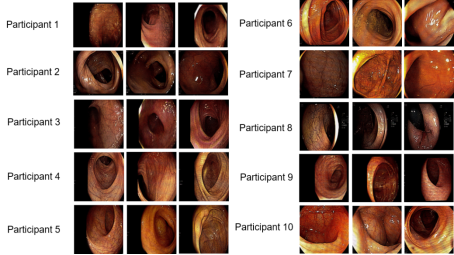
Table 6). Colonoscopy performed before and after the intervention in 10 participants showed no melanosis coli (
Figure 1), providing no evidence of stimulant laxative-type mucosal injury under the study dosing regimen.
Table 5. Gut microbiota outcomes at different visit time points in participants taking eLAXTM.
Metric | Baseline (Score) | Week 2 | Week 10 |
Microbiota score (points) | 65.83 ± 3.90 | 65.79 ± 2.90 | 66.15 ± 3.29 |
Microbiota diversity index | 620.64 ± 108.63 | 616.15 ± 101.27 | 680.53 ± 92.78 |
B/F ratio (Bacteroidetes/Firmicutes) | 0.32 ± 0.37 | 0.44 ± 0.61 | 0.84 ± 0.60 |
Table 6. Changes in hematologic, hepatic, and renal laboratory parameters before and after eLAXTM.
Parameter | Reference range | Baseline | End-of-study follow-up | Difference | p-value |
White blood cell count (109/L) | 3.5-9.5 | 6.11 ± 1.34 | 6.28 ± 1.31 | 0.17 ± 0.98 | 0.2446 |
Red blood cell count (1012/L) | Male: 4.3-5.8 Female: 3.8-5.1 | 4.56 ± 0.36 | 4.54 ± 0.36 | −0.02 ± 0.19 | 0.5147 |
Hemoglobin (g/L) | Male: 130-175 Female: 115-150 | 133.35 ± 13.63 | 132.86 ± 11.83 | −0.49 ± 5.46 | 0.3914 |
Platelet count (109/L) | 125-350 | 265.31 ± 61.82 | 249.84 ± 52.53 | −15.47 ± 36.59 | 0.0025 |
Alanine aminotransferase, ALT (U/L) | Male: 7.0-40.0 Female: 9.0-50.0 | 16.63 ± 8.52 | 18.00 ± 11.02 | 1.38 ± 6.76 | 0.2143 |
Aspartate aminotransferase, AST (U/L) | Male: 15.0-40.0 Female: 13.0-35.0 | 20.73 ± 6.02 | 21.16 ± 5.20 | 0.42 ± 4.87 | 0.1820 |
Total bilirubin (μmol/L) | 0-23 | 11.06 ± 3.19 | 11.70 ± 4.55 | 0.64 ± 4.59 | 0.5626 |
Alkaline phosphatase, ALP (U/L) | Male: 35.0-100.0 Female: 45.0-125.0 | 55.22 ± 17.23 | 55.90 ± 19.38 | 6.31 ± 16.87 | 0.3249 |
γ-Glutamyl transferase, GGT (U/L) | Male: 7.0-45.0 Female: 10.0-60.0 | 24.10 ± 31.07 | 22.83 ± 30.80 | 1.19 ± 6.91 | 0.9908 |
Urea / blood urea nitrogen (mmol/L) | Male: 2.6-7.5 Female: 3.1-8.0 | 4.70 ± 1.37 | 4.66 ± 1.15 | −0.05 ± 1.05 | 0.7584 |
Creatinine (μmol/L) | 41-111 | 65.06 ± 12.32 | 65.46 ± 12.62 | 0.40 ± 5.84 | 0.6373 |
Figure 1. Representative end-of-study colonoscopic views. Images were randomly selected from exit colonoscopies. No melanosis coli-like brown-black mucosal pigmentation was seen.
4. Discussion
Functional constipation is a common functional gastrointestinal disorder characterized by infrequent defecation, difficult or incomplete evacuation, and hard, dry stools
. Beyond the physical burden of straining, abdominal distension, and reduced appetite, it is frequently accompanied by emotional distress and impaired quality of life, and chronic disease may predispose to complications such as hemorrhoids and anal fissures
| [24] | Johanson, J. F. and A. Sonnenberg, The prevalence of hemorrhoids and chronic constipation. An epidemiologic study. Gastroenterology, 1990. 98(2): p. 380-6.
https://doi.org/10.1016/0016-5085(90)90828-o |
| [25] | Bharucha, A. E., C. H. Knowles, and A. Malcolm, An Evidence-Based Practical Review on Common Benign Anorectal Disorders: Hemorrhoids, Anal Fissure, Dyssynergic Defecation, and Fecal Incontinence. Gastroenterology, 2026. 170(1): p. 50-69. https://doi.org/10.1053/j.gastro.2025.07.031 |
| [26] | Mimura, S., et al., Constipation in Older Adults: Pathophysiology, Clinical Impact, and Management Strategies. Geriatrics, 2026. 11(2): p. 47. https://doi.org/10.3390/geriatrics11020047 |
[24-26]
. In this single-center, self-controlled analysis of 49 adults who finished the 12-week protocol, eLAX
TM Tablets were associated with improvements across the principal domains of constipation, including defecation frequency, stool consistency, associated symptoms, symptom severity, and disease-specific quality of life, and gut microbiota structure, without any product-related adverse reactions during the observation window. In a subset of 10 participants who underwent elective colonoscopy at study exit, no melanosis coli-like mucosal pigmentation was observed, supporting the absence of endoscopic “black bowel” findings after eLAX
TM use in this cohort.
The most direct finding was an increase in spontaneous bowel movement frequency that remained statistically significant at every protocol visit, including the Week 12 observation period after product discontinuation. Overall responder rates exceeded 55% at the end of active stepped dosing (Week 10) and were highest at the initial 4 tablets/day phase (Week 2). Subgroup analysis was particularly noteworthy. Participants who had no spontaneous defecation at baseline achieved near-complete response throughout active dosing and retained an 87.5% responder rate two weeks after stopping the product, suggesting durable restoration of autonomous bowel function in this more severe phenotype. By contrast, participants with a single daily SBM at baseline responded mainly during high-dose exposure and largely returned to baseline by Week 12, implying that milder constipation may require a longer low-dose maintenance phase after tapering—an interpretation aligned with the stepped design and CSR limitations.
Okra has demonstrated effectiveness in alleviating constipation. The mucilage, composed largely of acidic polysaccharides and pectin
, together with its dietary fiber content, increases stool bulk
| [28] | Gemede, H. F., et al., Indigenous Ethiopian okra (Abelmoschus esculentus) mucilage: A novel ingredient with functional and antioxidant properties. Food Science & Nutrition, 2018. 6(3): p. 563-571. https://doi.org/10.1002/fsn3.596 |
[28]
, and helps soften fecal consistency, while the insoluble fiber mechanically distends the colonic lumen and promotes peristalsis. In addition, the soluble polysaccharides of okra are fermentable prebiotic substrates that yield short-chain fatty acids such as acetate, propionate, and butyrate
| [29] | Guo, X., et al., Fermentation properties and prebiotic potential of different pectins and their corresponding enzymatic hydrolysates. Food Hydrocolloids, 2023. 143: p. 108878.
https://doi.org/10.1016/j.foodhyd.2023.108878 |
[29]
, which lower luminal pH, nourish colonocytes, and stimulate colonic motility and secretion
| [30] | Blachier, F., et al., Changes in the Luminal Environment of the Colonic Epithelial Cells and Physiopathological Consequences. The American Journal of Pathology, 2017. 187(3): p. 476-486.
https://doi.org/10.1016/j.ajpath.2016.11.015 |
| [31] | Zheng, Z., et al., Role of gut microbiota-derived signals in the regulation of gastrointestinal motility. Frontiers in Medicine, 2022. Volume 9 - 2022.
https://doi.org/10.3389/fmed.2022.961703 |
[30, 31]
. The flavonoids and polyphenols of okra further possess antioxidant and anti-inflammatory activity that may ameliorate the low-grade mucosal inflammation associated with chronic constipation and contribute to symptom relief
| [32] | Agregán, R., et al., Biological activity and development of functional foods fortified with okra (Abelmoschus esculentus). Critical Reviews in Food Science and Nutrition, 2023. 63(23): p. 6018-6033. https://doi.org/10.1080/10408398.2022.2026874 |
| [33] | Wu, D.-T., et al., Phenolic compounds, antioxidant activities, and inhibitory effects on digestive enzymes of different cultivars of okra (Abelmoschus esculentus). Molecules, 2020. 25(6): p. 1276. https://doi.org/10.3390/molecules25061276 |
| [34] | Gaur, S. S., et al., Exploring the nutritional, pharmacological, and industrial potential of okra and its byproducts: a comprehensive review. Discover Food, 2025. 5(1): p. 251.
https://doi.org/10.1007/s44187-025-00492-6 |
[32-34]
. Despite this coherent rationale, direct clinical evidence for okra in constipation remains limited, deriving largely from the broader dietary fiber and prebiotic literature, from its traditional use as a demulcent and mild laxative, and from preclinical studies of okra or its polysaccharides, whereas rigorous randomized controlled trials evaluating okra as a defined intervention are still lacking.
L. casei is one of the most extensively studied probiotic species for gastrointestinal disorders. Mechanistically,
L. casei is thought to relieve constipation through several complementary pathways: it modulates the composition and metabolic activity of the gut microbiota, promotes the production of short-chain fatty acids, restores microbial balance by suppressing potentially pathogenic bacteria, and enhances mucosal barrier integrity and local immune regulation
| [35] | Ou, Y., et al., Lactobacillus casei Strain Shirota Alleviates Constipation in Adults by Increasing the Pipecolinic Acid Level in the Gut. Frontiers in Microbiology, 2019. Volume 10 - 2019.
https://doi.org/10.3389/fmicb.2019.00324 |
| [36] | Matsumoto, K., et al., Effects of a probiotic fermented milk beverage containing Lactobacillus casei strain Shirota on defecation frequency, intestinal microbiota, and the intestinal environment of healthy individuals with soft stools. Journal of Bioscience and Bioengineering, 2010. 110(5): p. 547-552.
https://doi.org/10.1016/j.jbiosc.2010.05.016 |
| [37] | Song, X., et al., The Role of Vasoactive Intestinal Peptide and Mast Cells in the Regulatory Effect of Lactobacillus casei ATCC 393 on Intestinal Mucosal Immune Barrier. Frontiers in Immunology, 2021. Volume 12 - 2021.
https://doi.org/10.3389/fimmu.2021.723173 |
[35-37]
. These changes in the colonic environment can accelerate intestinal transit, increase stool water content, and soften fecal consistency. Clinically, the fermented dairy strain
Lactobacillus casei Shirota (LcS) has the most robust supporting evidence: trials in adults with chronic constipation have reported significant increases in defecation frequency, improvements in stool consistency, and relief of associated symptoms following daily consumption of LcS-fermented milk
| [38] | Chen, S., et al., Differential Effects of Lactobacillus casei Strain Shirota on Patients with Constipation Regarding Stool Consistency in China. J Neurogastroenterol Motil, 2019. 25(1): p. 148-158. https://doi.org/10.5056/jnm17085 |
[38]
, and benefits have also been documented in specific populations such as patients with Parkinson's disease and postoperative or institutionalized individuals prone to constipation
| [39] | Yang, X., et al., Effect of Lacticaseibacillus paracasei strain Shirota supplementation on clinical responses and gut microbiome in Parkinson's disease. Food & Function, 2023. 14(15): p. 6828-6839. https://doi.org/10.1039/d3fo00728f |
| [40] | Aoki, T., et al., Effects of the continuous intake of a milk drink containing Lactobacillus casei strain Shirota on abdominal symptoms, fecal microbiota, and metabolites in gastrectomized subjects. Scandinavian Journal of Gastroenterology, 2014. 49(5): p. 552-563.
https://doi.org/10.3109/00365521.2013.848469 |
| [41] | Šola, K. F., et al., The effect of multistrain probiotics on functional constipation in the elderly: a randomized controlled trial. European Journal of Clinical Nutrition, 2022. 76(12): p. 1675-1681. https://doi.org/10.1038/s41430-022-01189-0 |
[39-41]
.
Several limitations should be considered. The study enrolled a modest sample (49 completers), limiting statistical power and generalizability. The open-label, single-arm design lacked a concurrent placebo control, so placebo effects, reporting bias, and natural fluctuation cannot be fully excluded; neither participants nor investigators were blinded. The stepped descending-dose schedule did not include balanced maintenance phases at each dose level, so the lowest effective maintenance dose under stable symptom control remains uncertain. Several endpoints (straining, urgency, quality of life, and bowel diary items) are self-reported. Nonetheless, concordance across objective-leaning measures (SBM frequency, BSS, microbiota indices) and patient-reported outcomes, together with the absence of melanosis coli on paired colonoscopy, strengthens the overall interpretation. Future multicenter, randomized, double-blind, multi-dose parallel trials with a dedicated maintenance phase are warranted.
5. Conclusions
In conclusion, this complete 12-week study indicates that eLAXTM Probiotic-Botanical Supplement, administered as a stepped descending regimen over 10 weeks with intervening washouts and a subsequent 2-week observation period, was associated with substantial and statistically significant improvements in spontaneous defecation frequency, stool consistency, associated symptoms, constipation symptom severity, quality of life, and selected gut microbiota indices in adults with functional constipation, together with a favorable safety profile and no evidence of melanosis coli in colonoscoped participants. Benefits were particularly durable in participants without spontaneous bowel movements at baseline; participants with milder baseline constipation may benefit from longer low-dose maintenance after tapering.
Abbreviations
BSS | Bristol Stool Scale |
LcS | Lactobacillus Casei Shirota |
PAC-QOL-12 | Patient Assessment of Constipation-Quality of Life |
PAC-SYM | Patient Assessment of Constipation-Symptoms |
SBM | Spontaneous Bowel Movement |
SCFA | Short-Chain Fatty Acid |
Acknowledgments
The authors thank the clinical and nursing staff of the Department of Gastroenterology, Xiangya Hospital Central South University, for their assistance with participant assessment and data collection.
Author Contributions
Amy Sze Man Li: Validation, Visualization, Writing – original draft
Keying Han: Data curation, Investigation, Writing – original draft
Qidong Lu: Funding acquisition, Project administration, Resources, Supervision
Jing Li: Project administration, Writing – review & editing
Kaiye Yang: Writing – review & editing
Jie Peng: Conceptualization, Formal Analysis, Project administration, Software, Supervision, Writing – review & editing
Funding
This work was supported by Mom’s Garden GmbH, which developed and manufactured the investigational product (eLAXTM). The funder provided the study product and financial support and participated in the study design. Clinical conduct of the study, and independent clinical supervision were undertaken at Xiangya Hospital, Central South University.
Data Availability Statement
The data supporting the outcome of this research work has been reported in this manuscript.
Conflicts of Interest
Authors A. S. M. L., K. H., J. L., K. Y., and Q. L. are affiliated with the Mom’s Garden Institute of Nutrition and Health and are associated with Mom’s Garden GmbH, which developed and manufactured the study product (eLAXTM Probiotic-Botanical Supplement). Jie Peng (Department of Gastroenterology, Xiangya Hospital, Central South University) provided independent clinical supervision and declares no competing financial interests. The authors affirm that the study was conducted and reported objectively and that these affiliations did not inappropriately influence the collection, interpretation, or presentation of the data.
Appendix
Table A1. PAC-SYM Questionnaire.
Dimension | Item | 0 (None) | 1 (Mild) | 2 (Moderate) | 3 (Severe) | 4 (Very severe) |
Rectal symptoms | 1. Sensation of incomplete evacuation | ☐ | ☐ | ☐ | ☐ | ☐ |
2. Sensation of anorectal obstruction/blockage | ☐ | ☐ | ☐ | ☐ | ☐ |
Colonic symptoms | 3. Abdominal bloating | ☐ | ☐ | ☐ | ☐ | ☐ |
4. Abdominal discomfort | ☐ | ☐ | ☐ | ☐ | ☐ |
Defecation symptoms | 5. Straining during defecation | ☐ | ☐ | ☐ | ☐ | ☐ |
6. Hard stools (proportion of Bristol types 1-2) | ☐ <10% | ☐ 10%-25% | ☐ 26%-50% | ☐ 51%-75% | ☐ >75% |
Additional indicators | 7. Weekly spontaneous bowel movements (SBM) | ☐ ≥5 | ☐ 3-4 | ☐ 1-2 | ☐ 0 | — |
8. Frequency of manual maneuvers to assist defecation | ☐ None | ☐ <1 time/week | ☐ 1-3 times/week | ☐ ≥4 times/week | — |
Table A2. PAC-QOL-12 Questionnaire.
Dimension | Assessment item | 0 (None) | 1 (Mild) | 2 (Moderate) | 3 (Severe) | 4 (Very severe) |
Physical discomfort | 1. Frequency and severity of bloating and abdominal discomfort | ☐ | ☐ | ☐ | ☐ | ☐ |
2. Physical burden from straining or the need for manual assistance to defecate | ☐ | ☐ | ☐ | ☐ | ☐ |
Psychosocial discomfort | 3. Interference of constipation with work/study | ☐ | ☐ | ☐ | ☐ | ☐ |
4. Avoidance of social activities or going out due to worry about constipation | ☐ | ☐ | ☐ | ☐ | ☐ |
5. Low mood or irritability caused by constipation | ☐ | ☐ | ☐ | ☐ | ☐ |
6. Extent to which sleep quality is affected by constipation | ☐ | ☐ | ☐ | ☐ | ☐ |
Worries and concerns | 7. Worry that constipation may lead to serious illness | ☐ | ☐ | ☐ | ☐ | ☐ |
8. Worry about treatment effectiveness | ☐ | ☐ | ☐ | ☐ | ☐ |
9. Fear of pain or bleeding during defecation | ☐ | ☐ | ☐ | ☐ | ☐ |
Satisfaction | 10. Satisfaction with current symptom control | ☐ | ☐ | ☐ | ☐ | ☐ |
11. Satisfaction with the treatment method | ☐ | ☐ | ☐ | ☐ | ☐ |
12. Satisfaction with overall quality of life | ☐ | ☐ | ☐ | ☐ | ☐ |
(Complete this item only at Week 12 after enrollment) | 13. After discontinuing the product, are normal bowel movements possible? | ☐ | ☐ | ☐ | ☐ | ☐ |
References
| [1] |
Barberio, B., et al., Global prevalence of functional constipation according to the Rome criteria: a systematic review and meta-analysis. Lancet Gastroenterol Hepatol, 2021. 6(8): p. 638-648.
https://doi.org/10.1016/S2468-1253(21)00111-4
|
| [2] |
ROME Foundation. Rome IV Criteria. 2016; Available from:
https://theromefoundation.org/rome-iv/rome-iv-criteria/
|
| [3] |
Tomita, T., et al., Impact of chronic constipation on health-related quality of life and work productivity in Japan. Journal of Gastroenterology and Hepatology, 2021. 36(6): p. 1529-1537.
https://doi.org/10.1111/jgh.15295
|
| [4] |
Brochard, C., et al., Quality of life in 1870 patients with constipation and/or fecal incontinence: Constipation should not be underestimated. Clinics and Research in Hepatology and Gastroenterology, 2019. 43(6): p. 682-687.
https://doi.org/10.1016/j.clinre.2019.02.011
|
| [5] |
Ota, T., et al., Impact of chronic constipation symptoms on work productivity and daily activity: A large-scale internet survey. JGH Open, 2024. 8(11): p. e70042.
https://doi.org/10.1002/jgh3.70042
|
| [6] |
Chang, C. H. and L. A. Harris, Burden of Constipation: Looking Beyond Bowel Movements. American Journal of Gastroenterology, 2022. 117(4S): p. S2-S5.
https://doi.org/10.14309/ajg.0000000000001708
|
| [7] |
Huang, Y., et al., The association between constipation and anxiety: a cross-sectional study and Mendelian randomization analysis. Frontiers in Psychiatry, 2025. Volume 16 - 2025.
https://doi.org/10.3389/fpsyt.2025.1543692
|
| [8] |
Verkuijl, S. J., et al., The influence of demographic characteristics on constipation symptoms: a detailed overview. BMC Gastroenterology, 2020. 20(1): p. 168.
https://doi.org/10.1186/s12876-020-01306-y
|
| [9] |
Cui, J., et al., Physical activity and constipation: A systematic review of cohort studies. J Glob Health, 2024. 14: p. 04197.
https://doi.org/10.7189/jogh.14.04197
|
| [10] |
Rao, S. S. C., K. Rattanakovit, and T. Patcharatrakul, Diagnosis and management of chronic constipation in adults. Nature Reviews Gastroenterology & Hepatology, 2016. 13(5): p. 295-305.
https://doi.org/10.1038/nrgastro.2016.53
|
| [11] |
Costilla, V. C., Understanding Mechanisms and Management. Gastroenterology, An Issue of Clinics in Geriatric Medicine, 2014. 30(1): p. 107-115.
https://doi.org/10.1016/j.cger.2013.10.001
|
| [12] |
Müller-Lissner, S. A., et al., Myths and misconceptions about chronic constipation. Official journal of the American College of Gastroenterology| ACG, 2005. 100(1): p. 232-242.
https://doi.org/10.1111/j.1572-0241.2005.40885.x
|
| [13] |
Camilleri, M., et al., Chronic constipation. Nature Reviews Disease Primers, 2017. 3(1): p. 17095.
https://doi.org/10.1038/nrdp.2017.95
|
| [14] |
Yang, L., et al., Gut microbiota: a new avenue to reveal pathological mechanisms of constipation. Applied Microbiology and Biotechnology, 2022. 106(21): p. 6899-6913.
https://doi.org/10.1007/s00253-022-12197-2
|
| [15] |
Dantas, T. L., F. C. Alonso Buriti, and E. R. Florentino, Okra (Abelmoschus esculentus L.) as a Potential Functional Food Source of Mucilage and Bioactive Compounds with Technological Applications and Health Benefits. Plants, 2021. 10(8): p. 1683.
https://doi.org/10.3390/plants10081683
|
| [16] |
McRorie, J. W. and N. M. McKeown, Understanding the physics of functional fibers in the gastrointestinal tract: an evidence-based approach to resolving enduring misconceptions about insoluble and soluble fiber. Journal of the Academy of Nutrition and Dietetics, 2017. 117(2): p. 251-264.
https://doi.org/10.1016/j.jand.2016.09.021
|
| [17] |
Chutkan, R., et al., Viscous versus nonviscous soluble fiber supplements: mechanisms and evidence for fiber-specific health benefits. Journal of the American Association of Nurse Practitioners, 2012. 24(8): p. 476-487.
https://doi.org/10.1111/j.1745-7599.2012.00758.x
|
| [18] |
Wu, D.-T., et al., Effects of molecular weight and degree of branching on microbial fermentation characteristics of okra pectic-polysaccharide and its selective impact on gut microbial composition. Food Hydrocolloids, 2022. 132: p. 107897.
https://doi.org/10.1016/j.foodhyd.2022.107897
|
| [19] |
He, Q., et al., Long-term administration of Lactobacillus casei Zhang stabilized gut microbiota of adults and reduced gut microbiota age index of older adults. Journal of Functional Foods, 2020. 64: p. 103682.
https://doi.org/10.1016/j.jff.2019.103682
|
| [20] |
Lai, H.-H., et al. Probiotic Lactobacillus casei: Effective for Managing Childhood Diarrhea by Altering Gut Microbiota and Attenuating Fecal Inflammatory Markers. Nutrients, 2019. 11, 1150
https://doi.org/10.3390/nu11051150
|
| [21] |
Frank, L., et al., Psychometric validation of a constipation symptom assessment questionnaire. Scand J Gastroenterol, 1999. 34(9): p. 870-7.
https://doi.org/10.1080/003655299750025327
|
| [22] |
Marquis, P., et al., Development and validation of the Patient Assessment of Constipation Quality of Life questionnaire. Scand J Gastroenterol, 2005. 40(5): p. 540-51.
https://doi.org/10.1080/00365520510012208
|
| [23] |
Andrews, C. N. and M. Storr, The Pathophysiology of Chronic Constipation. Canadian Journal of Gastroenterology and Hepatology, 2011. 25(B): p. 169319.
https://pmc.ncbi.nlm.nih.gov/articles/PMC3206564/
|
| [24] |
Johanson, J. F. and A. Sonnenberg, The prevalence of hemorrhoids and chronic constipation. An epidemiologic study. Gastroenterology, 1990. 98(2): p. 380-6.
https://doi.org/10.1016/0016-5085(90)90828-o
|
| [25] |
Bharucha, A. E., C. H. Knowles, and A. Malcolm, An Evidence-Based Practical Review on Common Benign Anorectal Disorders: Hemorrhoids, Anal Fissure, Dyssynergic Defecation, and Fecal Incontinence. Gastroenterology, 2026. 170(1): p. 50-69.
https://doi.org/10.1053/j.gastro.2025.07.031
|
| [26] |
Mimura, S., et al., Constipation in Older Adults: Pathophysiology, Clinical Impact, and Management Strategies. Geriatrics, 2026. 11(2): p. 47.
https://doi.org/10.3390/geriatrics11020047
|
| [27] |
Kontogiorgos, V., et al., Rheological characterization of okra pectins. Food Hydrocolloids, 2012. 29(2): p. 356-362.
https://doi.org/10.1016/j.foodhyd.2012.04.003
|
| [28] |
Gemede, H. F., et al., Indigenous Ethiopian okra (Abelmoschus esculentus) mucilage: A novel ingredient with functional and antioxidant properties. Food Science & Nutrition, 2018. 6(3): p. 563-571.
https://doi.org/10.1002/fsn3.596
|
| [29] |
Guo, X., et al., Fermentation properties and prebiotic potential of different pectins and their corresponding enzymatic hydrolysates. Food Hydrocolloids, 2023. 143: p. 108878.
https://doi.org/10.1016/j.foodhyd.2023.108878
|
| [30] |
Blachier, F., et al., Changes in the Luminal Environment of the Colonic Epithelial Cells and Physiopathological Consequences. The American Journal of Pathology, 2017. 187(3): p. 476-486.
https://doi.org/10.1016/j.ajpath.2016.11.015
|
| [31] |
Zheng, Z., et al., Role of gut microbiota-derived signals in the regulation of gastrointestinal motility. Frontiers in Medicine, 2022. Volume 9 - 2022.
https://doi.org/10.3389/fmed.2022.961703
|
| [32] |
Agregán, R., et al., Biological activity and development of functional foods fortified with okra (Abelmoschus esculentus). Critical Reviews in Food Science and Nutrition, 2023. 63(23): p. 6018-6033.
https://doi.org/10.1080/10408398.2022.2026874
|
| [33] |
Wu, D.-T., et al., Phenolic compounds, antioxidant activities, and inhibitory effects on digestive enzymes of different cultivars of okra (Abelmoschus esculentus). Molecules, 2020. 25(6): p. 1276.
https://doi.org/10.3390/molecules25061276
|
| [34] |
Gaur, S. S., et al., Exploring the nutritional, pharmacological, and industrial potential of okra and its byproducts: a comprehensive review. Discover Food, 2025. 5(1): p. 251.
https://doi.org/10.1007/s44187-025-00492-6
|
| [35] |
Ou, Y., et al., Lactobacillus casei Strain Shirota Alleviates Constipation in Adults by Increasing the Pipecolinic Acid Level in the Gut. Frontiers in Microbiology, 2019. Volume 10 - 2019.
https://doi.org/10.3389/fmicb.2019.00324
|
| [36] |
Matsumoto, K., et al., Effects of a probiotic fermented milk beverage containing Lactobacillus casei strain Shirota on defecation frequency, intestinal microbiota, and the intestinal environment of healthy individuals with soft stools. Journal of Bioscience and Bioengineering, 2010. 110(5): p. 547-552.
https://doi.org/10.1016/j.jbiosc.2010.05.016
|
| [37] |
Song, X., et al., The Role of Vasoactive Intestinal Peptide and Mast Cells in the Regulatory Effect of Lactobacillus casei ATCC 393 on Intestinal Mucosal Immune Barrier. Frontiers in Immunology, 2021. Volume 12 - 2021.
https://doi.org/10.3389/fimmu.2021.723173
|
| [38] |
Chen, S., et al., Differential Effects of Lactobacillus casei Strain Shirota on Patients with Constipation Regarding Stool Consistency in China. J Neurogastroenterol Motil, 2019. 25(1): p. 148-158.
https://doi.org/10.5056/jnm17085
|
| [39] |
Yang, X., et al., Effect of Lacticaseibacillus paracasei strain Shirota supplementation on clinical responses and gut microbiome in Parkinson's disease. Food & Function, 2023. 14(15): p. 6828-6839.
https://doi.org/10.1039/d3fo00728f
|
| [40] |
Aoki, T., et al., Effects of the continuous intake of a milk drink containing Lactobacillus casei strain Shirota on abdominal symptoms, fecal microbiota, and metabolites in gastrectomized subjects. Scandinavian Journal of Gastroenterology, 2014. 49(5): p. 552-563.
https://doi.org/10.3109/00365521.2013.848469
|
| [41] |
Šola, K. F., et al., The effect of multistrain probiotics on functional constipation in the elderly: a randomized controlled trial. European Journal of Clinical Nutrition, 2022. 76(12): p. 1675-1681.
https://doi.org/10.1038/s41430-022-01189-0
|
Cite This Article
-
APA Style
Li, A. S. M., Han, K., Lu, Q., Li, J., Yang, K., et al. (2026). Efficacy and Safety of eLAXTM Probiotic-Botanical Supplement in Improving Constipation: A Single-Center, Single-Arm Study. World Journal of Public Health, 11(4), 392-403. https://doi.org/10.11648/j.wjph.20261104.11
 Copy
|
Copy
|
 Download
ACS Style
Li, A. S. M.; Han, K.; Lu, Q.; Li, J.; Yang, K., et al. Efficacy and Safety of eLAXTM Probiotic-Botanical Supplement in Improving Constipation: A Single-Center, Single-Arm Study. World J. Public Health 2026, 11(4), 392-403. doi: 10.11648/j.wjph.20261104.11
Copy
|
Download
AMA Style
Li ASM, Han K, Lu Q, Li J, Yang K, et al. Efficacy and Safety of eLAXTM Probiotic-Botanical Supplement in Improving Constipation: A Single-Center, Single-Arm Study. World J Public Health. 2026;11(4):392-403. doi: 10.11648/j.wjph.20261104.11
Copy
|
Download
-
@article{10.11648/j.wjph.20261104.11,
  author = {Amy Sze Man Li and Keying Han and Qidong Lu and Jing Li and Kaiye Yang and Jie Peng},
  title = {Efficacy and Safety of eLAXTM Probiotic-Botanical Supplement in Improving Constipation: A Single-Center, Single-Arm Study},
  journal = {World Journal of Public Health},
  volume = {11},
  number = {4},
  pages = {392-403},
  doi = {10.11648/j.wjph.20261104.11},
  url = {https://doi.org/10.11648/j.wjph.20261104.11},
  eprint = {https://article.sciencepublishinggroup.com/pdf/10.11648.j.wjph.20261104.11},
  abstract = {Background: Functional constipation impairs gut health and quality of life. Okra (Abelmoschus esculentus), traditionally used for treating gastrointestinal complaints, is rich in soluble dietary fiber and mucilaginous polysaccharides thought to increase stool water retention, soften feces, and promote luminal bulk, thereby facilitating colonic transit. Preclinical studies link okra mucilage to gut barrier support and favorable shifts in gut microbiota composition. The eLAXTM Probiotic-Botanical Supplement (eLAX) combines okra extract with Lactobacillus casei probiotics. We evaluated its efficacy and safety in a single-center, open-label, self-controlled study and report the complete 12-week dataset. Methods: Fifty-one adults meeting Rome IV criteria for functional constipation were enrolled at Xiangya Hospital; 49 completed the study and were analyzed. Participants received descending doses of eLAX over 10 weeks with intervening washouts (Weeks 1-2: 4 tablets/day; Week 3 washout; Weeks 4-6: 3/day; Week 7 washout; Weeks 8-10: 2/day), then 2 weeks of observation without product. The primary endpoint was the responder rate (increase in spontaneous bowel movements [SBMs] per 24 h versus baseline) at Weeks 2, 6, 10, and 12. Exploratory endpoints included gut microbiota, PAC-SYM, PAC-QOL-12, bowel diaries (frequency, straining, Bristol Stool Scale [BSS], abdominal pain), and assisted-defecation use. Safety included laboratory tests and colonoscopy in a subset. Results: Responder rates (N=49) were 87.8%, 61.2%, 55.1%, and 42.9% at Weeks 2, 6, 10, and 12. Mean SBM frequency rose from 0.51/day at baseline to 1.88, 1.35, and 1.12/day at Weeks 2, 6, and 10 (all pp=0.0086). Mean time to first bowel movement was 5.88±4.12 h (61.2% within half a day). BSS shifted from types 1-2 toward types 3-7 after 10 weeks (mean +2 grades); 69.3% retained ideal types 3-4 at Week 12. Straining resolved by Week 10; incomplete evacuation and abdominal pain declined. PAC-SYM (0-30) fell from 15.96±3.33 to 1.00±1.98 at Week 10 (−93.73%, ppp=0.0091) and the Bacteroidetes/Firmicutes ratio rose 162.57% (p<0.0001) at Week 10. No product-related adverse events occurred; colonoscopy (n=10) showed no melanosis coli. Conclusion: Over 12 weeks, eLAX was associated with significant improvements in bowel frequency, stool consistency, symptoms, quality of life, and gut microbiota, with a favorable safety profile. Benefits were most durable in participants without baseline spontaneous defecation; milder cases may need longer low-dose maintenance after tapering.},
 year = {2026}
}
Copy
|
Download
-
TY  - JOUR
T1  - Efficacy and Safety of eLAXTM Probiotic-Botanical Supplement in Improving Constipation: A Single-Center, Single-Arm Study
AU  - Amy Sze Man Li
AU  - Keying Han
AU  - Qidong Lu
AU  - Jing Li
AU  - Kaiye Yang
AU  - Jie Peng
Y1  - 2026/10/09
PY  - 2026
N1  - https://doi.org/10.11648/j.wjph.20261104.11
DO  - 10.11648/j.wjph.20261104.11
T2  - World Journal of Public Health
JF  - World Journal of Public Health
JO  - World Journal of Public Health
SP  - 392
EP  - 403
PB  - Science Publishing Group
SN  - 2637-6059
UR  - https://doi.org/10.11648/j.wjph.20261104.11
AB  - Background: Functional constipation impairs gut health and quality of life. Okra (Abelmoschus esculentus), traditionally used for treating gastrointestinal complaints, is rich in soluble dietary fiber and mucilaginous polysaccharides thought to increase stool water retention, soften feces, and promote luminal bulk, thereby facilitating colonic transit. Preclinical studies link okra mucilage to gut barrier support and favorable shifts in gut microbiota composition. The eLAXTM Probiotic-Botanical Supplement (eLAX) combines okra extract with Lactobacillus casei probiotics. We evaluated its efficacy and safety in a single-center, open-label, self-controlled study and report the complete 12-week dataset. Methods: Fifty-one adults meeting Rome IV criteria for functional constipation were enrolled at Xiangya Hospital; 49 completed the study and were analyzed. Participants received descending doses of eLAX over 10 weeks with intervening washouts (Weeks 1-2: 4 tablets/day; Week 3 washout; Weeks 4-6: 3/day; Week 7 washout; Weeks 8-10: 2/day), then 2 weeks of observation without product. The primary endpoint was the responder rate (increase in spontaneous bowel movements [SBMs] per 24 h versus baseline) at Weeks 2, 6, 10, and 12. Exploratory endpoints included gut microbiota, PAC-SYM, PAC-QOL-12, bowel diaries (frequency, straining, Bristol Stool Scale [BSS], abdominal pain), and assisted-defecation use. Safety included laboratory tests and colonoscopy in a subset. Results: Responder rates (N=49) were 87.8%, 61.2%, 55.1%, and 42.9% at Weeks 2, 6, 10, and 12. Mean SBM frequency rose from 0.51/day at baseline to 1.88, 1.35, and 1.12/day at Weeks 2, 6, and 10 (all pp=0.0086). Mean time to first bowel movement was 5.88±4.12 h (61.2% within half a day). BSS shifted from types 1-2 toward types 3-7 after 10 weeks (mean +2 grades); 69.3% retained ideal types 3-4 at Week 12. Straining resolved by Week 10; incomplete evacuation and abdominal pain declined. PAC-SYM (0-30) fell from 15.96±3.33 to 1.00±1.98 at Week 10 (−93.73%, ppp=0.0091) and the Bacteroidetes/Firmicutes ratio rose 162.57% (p<0.0001) at Week 10. No product-related adverse events occurred; colonoscopy (n=10) showed no melanosis coli. Conclusion: Over 12 weeks, eLAX was associated with significant improvements in bowel frequency, stool consistency, symptoms, quality of life, and gut microbiota, with a favorable safety profile. Benefits were most durable in participants without baseline spontaneous defecation; milder cases may need longer low-dose maintenance after tapering.
VL  - 11
IS  - 4
ER  -
Copy
|
Download





 Share This Article
 Twitter
 Linked In
 Facebook